


Choosing a boarding school is one of the biggest decisions a parent makes for their child — it means picking not just a curriculum, but a second home, a peer group, and a value system that will shape the next 6–8 years. This guide covers ten of India’s most established boarding schools, cross-checked against EducationWorld India School Rankings (EWISR 2025-26) — a nationwide survey of over 9,500 parents, principals, and educators — and publicly available Google Trends search-interest data, rather than an unverified “top 10” assembled from opinion alone.
Each entry draws on published school records, board affiliations, and verified fee data (last checked April–June 2026) so you can actually shortlist and compare rather than just read a list.
Each entry below includes the year the school was founded, its board affiliation, campus size, approximate annual fees, and what genuinely sets it apart — the details that matter when you’re comparing options, not just recognising names.
- Quick Comparison Table
- Why Choose a Boarding School in India?
- Top 10 Boarding Schools in India: Detailed Profiles
- 1. The Doon School, Dehradun
- 2. Mayo College, Ajmer
- 3. Bishop Cotton School, Shimla
- 4. Rishi Valley School, Chittoor
- 5. Welham Girls’ School, Dehradun
- 6. The Scindia School, Gwalior
- 7. The Lawrence School, Sanawar
- 8. Woodstock School, Mussoorie
- 9. Sherwood College, Nainital
- 10. Welham Boys’ School, Dehradun
Quick Comparison Table
Compare India’s leading boarding schools by location, board affiliation, entry class, annual fees, and gender to quickly shortlist the best option.
| School | Location | Board | Gender | Entry Class | Approx. Annual Fee (Indian residents) | Founded |
|---|---|---|---|---|---|---|
| The Doon School | Dehradun, Uttarakhand | ICSE/ISCIB | Boys | VII | ₹12–15 lakh+ | 1935 |
| Mayo College | Ajmer, Rajasthan | CBSE | Boys | VI | ₹11–12 lakh* | 1875 |
| Bishop Cotton School | Shimla, Himachal Pradesh | ICSE/ISC | Boys | III | ₹10–12 lakh | 1859 |
| Rishi Valley School | Chittoor, Andhra Pradesh | ICSE/ISC | Co-ed | IV | ₹6–8 lakh | 1926 |
| Welham Girls’ School | Dehradun, Uttarakhand | ICSE/ISC | Girls | VI | ₹9–11 lakh | 1957 |
| The Scindia School | Gwalior, Madhya Pradesh | CBSE | Boys | VI | ₹15–17 lakh | 1897 |
| The Lawrence School, Sanawar | Kasauli, Himachal Pradesh | CBSE | Co-ed | IV/V | ₹5.5–7 lakh | 1847 |
| Woodstock School | Mussoorie, Uttarakhand | IB | Co-ed | Gr 5–6 | ₹18–20 lakh | 1854 |
| Sherwood College | Nainital, Uttarakhand | ICSE/ISC | Co-ed | III | ₹6–8 lakh | 1869 |
| Welham Boys’ School | Dehradun, Uttarakhand | CBSE | Boys | IV | ₹9.5 lakh | 1937 |
*Mayo College: ₹15–20 lakh in the first year including admission and caution money charges.
Fees shown are indicative for the 2026–27 academic year where available, based on recently published fee structures, and vary by grade, boarding category, and nationality (NRI/foreign national fees are typically higher).
Figures generally cover tuition and boarding only — they exclude optional expenses such as uniforms, excursions, examination charges, and personal pocket money unless otherwise stated. Fee schedules are revised annually — always confirm current figures directly with the school before budgeting.
Ranking basis: According to EducationWorld India School Rankings (EWISR) 2025-26, The Doon School, Mayo College, and Rishi Valley School are placed in the “Ivy League Boarding School” category, and The Scindia School and The Lawrence School, Sanawar in the “Vintage Legacy Boarding School” category. Welham Boys’ School is EWISR’s top-rated school in the Boys Boarding category.
Woodstock School appears among the most-searched boarding schools in India based on Google Trends search-interest data. Bishop Cotton School, Welham Girls’ School, and Sherwood College are consistently featured across independent board-wise boarding school rankings. Schools were selected using a combination of these rankings, historical reputation, curriculum diversity, and alumni outcomes — not a single overall “No. 1” metric, since no such official ranking exists for boarding schools in India.
Why Choose a Boarding School in India?
- Structured, immersive learning – Academics, sport, and the arts are built into a single daily rhythm rather than squeezed around a commute.
- Independence and life skills – Living away from home at a relatively young age builds self-reliance, time management, and resilience faster than a day-school routine typically allows.
- House and mentorship systems – Most legacy schools run a “house” system with housemasters/matrons providing round-the-clock pastoral care — this is the actual substitute for daily parental supervision, and its quality varies significantly between schools.
- Long-term peer and alumni networks – Several of the schools below have alumni networks spanning politics, business, defence services, and the arts, built over 100+ years in some cases.
- Exposure to co-curricular depth – Adventure programmes, exchange programmes (Round Square, IBSC), and competitive sport are usually far more developed than what a day school can offer.
Top 10 Boarding Schools in India: Detailed Profiles
1. The Doon School, Dehradun

Founded in 1935 by Calcutta lawyer Satish Ranjan Das, The Doon School is an all-boys school often referred to as the “Eton of India.” It sits on around 70 acres on Mall Road, Dehradun. Boys are admitted from Class VII onward through a competitive entrance exam and headmaster’s interview. It’s affiliated to the ICSE/ISC (CISCE) board.
In addition to CISCE, the school currently offers the IB Diploma Programme for senior students. Families interested in alternative international pathways should confirm the latest academic options directly with the school. Doon is known for its Model United Nations conference and a long list of alumni in politics, business, and the arts. (Annual fee shown is indicative for 2026–27 and is revised annually.)
2. Mayo College, Ajmer

Founded in 1875 by Richard Bourke, the 6th Earl of Mayo (then Viceroy of India), Mayo College was originally built to educate the sons of India’s princely states and nobility, modelled explicitly on Eton. It’s an all-boys school on a large heritage campus — around 180 acres per published sources — in Ajmer, Rajasthan. It’s affiliated to CBSE and admits students from Class VI through XII. First-year expenses run substantially higher than the standard annual fee, mainly due to one-time admission charges, a refundable security deposit, and development charges. Budget for these separately.
3. Bishop Cotton School, Shimla
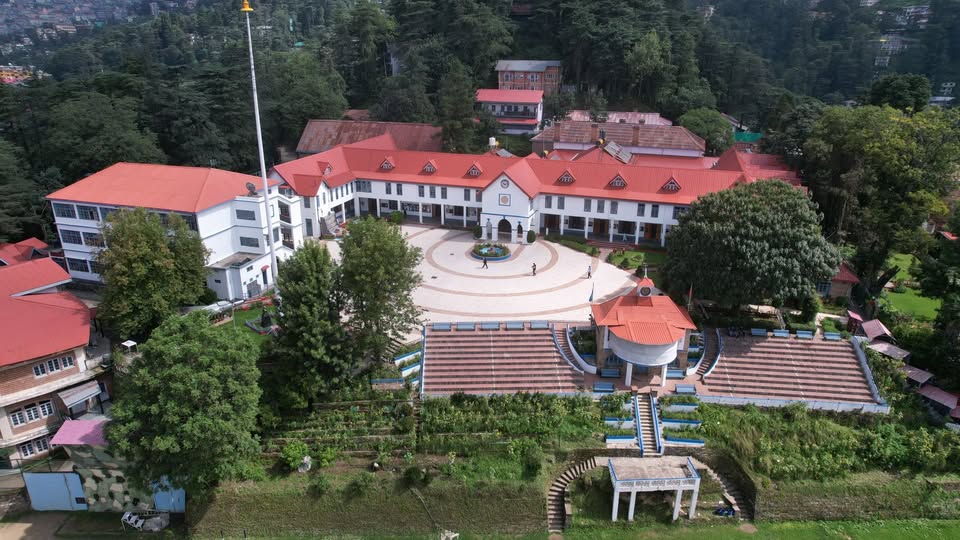
One of the oldest boarding schools in Asia, founded on 28 July 1859 by Bishop George Edward Lynch Cotton. It’s an all-boys school set on around 56 acres in Shimla, affiliated to the ICSE/ISC (CISCE) board, admitting boys from Class III through XII. The school is widely credited with introducing the house system to boarding schools in Asia. Among those often associated with the school is industrialist Ratan Tata, though the length and nature of his time there is disputed and worth verifying rather than repeating as settled fact. Younger boys live in supervised dormitories under matrons; older boys move into house-based living from Class IX.
4. Rishi Valley School, Chittoor

Founded in 1926 by philosopher Jiddu Krishnamurti, Rishi Valley is a co-educational school spread across around 375 acres in the Chittoor district of Andhra Pradesh (acreage figures vary slightly across published sources). It follows the ICSE/ISC (CISCE) board. It’s distinctive for its philosophy of holistic, low-pressure education centred on nature, self-inquiry, and community, and also runs a rural education and health outreach programme (RIVER) alongside the school itself. Students live in small “houses” of 12–22 rather than large dormitories.
5. Welham Girls’ School, Dehradun

Founded in 1957 by Hersilia Susie Oliphant (who had earlier founded Welham Boys’ School), Welham Girls’ is one of India’s most established all-girls boarding schools, set on around 12 acres in Dehradun. It’s affiliated to the ICSE/ISC (CISCE) board, admitting girls from Class VI through XII. It’s known for a strong emphasis on leadership, community service, and academics within a comparatively small, closely-knit student body of around 550 girls.
6. The Scindia School, Gwalior

Founded in 1897 by Maharaja Madho Rao Scindia of the erstwhile Gwalior State — originally to educate the sons of India’s royalty and nobility — Scindia School is an all-boys school located inside the historic Gwalior Fort, occupying around 160 acres. It’s affiliated to CBSE and admits boys from Class VI through XII. It has a notable alumni presence in Indian cinema, which has led to it sometimes being informally referred to as the “Bollywood school.”
7. The Lawrence School, Sanawar
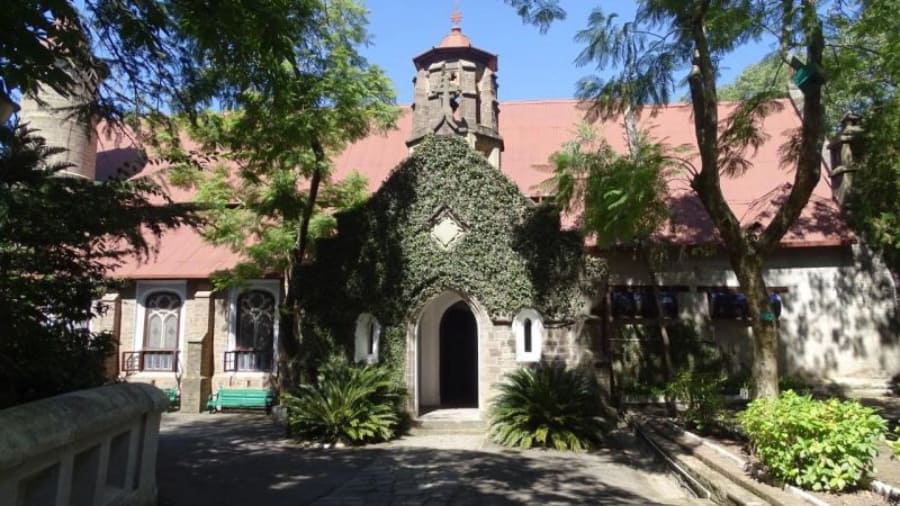
Founded in 1847 by Sir Henry and Lady Honoria Lawrence, Sanawar is frequently referred to as Asia’s oldest co-educational boarding school. It’s set on a forested campus of around 139 acres near Kasauli, Himachal Pradesh, and affiliated to CBSE. Sanawar is a member of the Round Square Conference (an international network built around service, adventure, and internationalism). In 2013, students from the school were part of a team that successfully summited Mount Everest — one of the more distinctive extracurricular track records on this list.
8. Woodstock School, Mussoorie
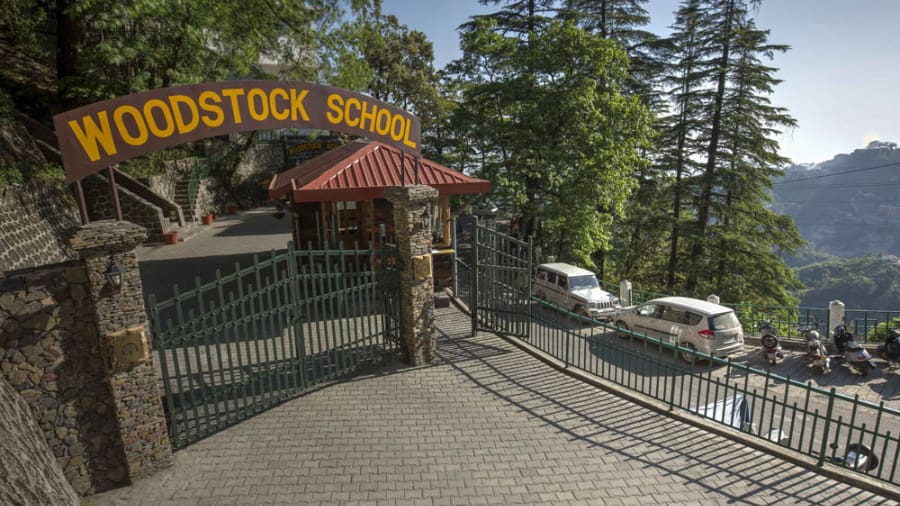
Founded in 1854, Woodstock is one of the oldest co-educational residential schools in Asia. It appears among the most-searched boarding schools in India based on Google Trends search-interest data. The campus spans around 250 acres above Mussoorie. Woodstock was the first school in Asia accredited by the US Middle States Association (1960) — a notable historical distinction worth verifying against the school’s own records.
It is an IB World School offering the IB Middle Years Programme (MYP) and IB Diploma Programme (DP) rather than CBSE or ICSE — a distinct academic track aimed squarely at students considering universities abroad. Boarding begins from around Grade 5–6. Fees (indicatively ₹18–20 lakh/year, including boarding) are among the highest of any school on this list and vary significantly by grade, boarding status, and international-student category.
9. Sherwood College, Nainital

Founded in 1869 as the Diocesan Boys’ School under the patronage of Rt. Rev. Robert Milman, Sherwood College is now a co-educational school set on around 45 acres on Ayarpata Hill overlooking Nainital Lake. It’s affiliated to the ICSE/ISC (CISCE) board and admits students from Class III through XII. Its hillside location and century-and-a-half history make it a well-known name across North Indian boarding circles, though it’s smaller and less internationally profiled than Doon or Mayo.
10. Welham Boys’ School, Dehradun

Founded in 1937 by Hersilia Susie Oliphant (who went on to found Welham Girls’ the following decade), Welham Boys’ is a CBSE-affiliated school set on around 30 acres in Dehradun’s Dalanwala area, admitting boys from Class IV through XII. According to EducationWorld’s 2025-26 rankings, it was placed joint #1 nationally in the Boys Boarding School category, reflecting particularly strong parent and educator sentiment on teacher-student interaction and pastoral care.
Annual fees run around ₹9.5 lakh, making it comparatively more accessible than several other schools on this list while retaining a strong academic and co-curricular reputation.
Top Boarding Schools in India for Girls
If you’re specifically comparing girls’ boarding schools, these four are the most consistently referenced:
- Welham Girls’ School, Dehradun (est. 1957, ICSE/ISC) – strong on leadership and community service.
- Mussoorie International School (MIS), Mussoorie (est. 1984, ICSE/ISC + IB) – 40-acre campus, students from 27+ countries, widely cited as a top-ranked girls’ boarding school for pastoral care.
- Scindia Kanya Vidyalaya, Gwalior (est. 1956, CBSE) – sister institution to Scindia School, with a consistently strong CBSE Class XII academic record.
- Mayo College Girls’ School, Ajmer (est. 1988, ICSE/ISC) – part of the Mayo College network, on its own dedicated campus.
Honourable Mentions
A “top 10” necessarily leaves out several other well-established names that readers may expect to see, including Daly College (Indore), Yadavindra Public School (Patiala/Mohali), The Lawrence School, Lovedale (Ooty), Birla Public School (Pilani), Assam Valley School (Tezpur), and the Rashtriya Military Schools (RMS) network.
These didn’t make the primary list above based on the ranking criteria used here, but each is a credible option worth researching directly depending on your priorities — particularly RMS, Daly College, and Assam Valley School, which come up frequently in parent searches and comparisons.
Boarding Facilities: What “Good” Actually Looks Like
Nearly every school on this list follows a similar structural pattern, and it’s worth knowing what to check for on a campus visit rather than take on faith:
- Age-appropriate housing – Younger students (typically up to Class VIII) usually live in larger supervised dormitories with matrons; older students move into smaller house-based units with a housemaster/mistress.
- Ratio of staff to boarders – Ask directly for the boarder-to-warden ratio; this varies more between schools than marketing material suggests.
- Medical infrastructure – An on-campus infirmary or medical room with a resident nurse/doctor-on-call is standard at this tier of school; ask about protocols for after-hours emergencies specifically.
- Communication policy – Phone/video-call windows for boarders vary widely by school and by age group — this is one of the most common sources of parental anxiety, so ask for specifics rather than general reassurance.
- Laundry and daily-living logistics – Ask whether laundry is handled in-house or outsourced, and how often — a small detail that affects a boarder’s day-to-day comfort more than most marketing material suggests.
- Internet and device policy – Wi-Fi access, screen-time windows, and personal device rules differ significantly between schools; ask for the actual policy document rather than a verbal summary.
- Leave weekends and home visits – Confirm how many exeats/leave weekends are built into the term calendar, and the process for requesting additional leave.
- Anti-bullying policy and grievance process – Ask specifically how the school documents, investigates, and follows up on bullying complaints, and whether there’s an anonymous reporting channel.
- Counsellor availability – Check whether the school has a resident counsellor (not just a visiting one) and how students can access them confidentially.
Affordable Boarding & Residential Options in India
Not every family is looking at ₹10+ lakh a year, and it’s worth being accurate about what “low fee” actually means in this category:
- Jawahar Navodaya Vidyalayas (JNVs) – Government-run, fully residential schools with free or near-free tuition and boarding, selecting students through the Class VI entrance test (JNVST). One of the very few genuinely low-cost, high-quality boarding options in India, though seats are limited and rural-quota based.
- Sainik Schools – Government-run residential schools (under the Sainik Schools Society) that prepare students for the National Defence Academy; fees are a fraction of private boarding schools and are subsidised for eligible categories.
- Rashtriya Military Schools (RMS) – A separate network of government-run residential schools (under the Ministry of Defence) with a similar defence-preparatory focus and comparably low fees to Sainik Schools; both are frequently confused with each other but run under different administrative bodies.
- State-run residential schools – Several states run their own residential model schools (e.g., Kasturba Gandhi Balika Vidyalayas for girls) with subsidised or free boarding for eligible students.
These are meaningfully different from the private legacy schools above — mainly government-run, with far higher competition for limited seats — but they’re the honest answer to “low-fee boarding school in India” rather than a private school simply calling itself “affordable.”
Boarding Schools by Curriculum
If board affiliation is your primary filter, here’s how the schools above break down:
- CBSE boarding schools: Mayo College, The Scindia School, The Lawrence School (Sanawar), Welham Boys’ School
- ICSE/ISC (CISCE) boarding schools: The Doon School, Bishop Cotton School, Rishi Valley School, Welham Girls’ School, Sherwood College
- IB boarding schools: Woodstock School (IB only), The Doon School (IB Diploma alongside ICSE/ISC)
How to Choose the Right Boarding School
- Board and curriculum fit – CBSE, ICSE/ISC, and IB each have different strengths; if you’re considering university abroad, IB affiliation (Doon, Woodstock) may matter more than brand name.
- Entry age and grade – Schools have different entry points (e.g., Class III at Bishop Cotton and Sherwood vs. Class VI at Mayo and Scindia); this alone can rule schools in or out.
- Total cost, not just tuition – Factor in one-time admission/caution deposits, uniforms, and NRI/foreign-national fee differentials if applicable — first-year costs are often 30–70% higher than the standard annual fee.
- Campus visit over brochure – Ask to see boarding houses, the infirmary, and meet a current housemaster, not just the admissions office.
- Alumni and outcomes – Ask for recent board results and university/career placement data, not just historical alumni names.
- Entrance exam preparation timeline – Most of these schools admit via a competitive written test plus interview, typically 6–12 months ahead of the intake year — start the process early.
Typical Admissions Timeline (General Pattern)
Exact dates vary by school and change year to year, but most of the schools above follow a broadly similar cycle:
- Registration windows typically open 9–12 months before the academic year begins (commonly around September–November for an April intake, or earlier for schools with alternate academic calendars).
- Age eligibility – Most schools apply strict age cut-offs for each entry grade (typically calculated as of 31 March or 31 December of the admission year); confirm the exact cut-off date and grade-age mapping with each school, as a child even a few weeks outside the window is often ineligible.
- Entrance exams (usually English, Maths, and General Knowledge/Aptitude) are commonly held between November and February.
- Interviews — for both the child and parents — usually follow shortly after the written exam, often the same season.
- Results and offers are typically issued a few weeks after interviews, with waitlists common at the most competitive schools.
- Required documents generally include a transfer certificate, birth certificate, recent report cards, medical records, and photographs — confirm the exact list with each school, as it varies.
Treat this as a general planning guide, not a substitute for each school’s own published admissions calendar, which should always be confirmed directly.
How This Guide Was Researched
Information was compiled from official school websites, published fee schedules (where publicly available), EducationWorld India School Rankings (EWISR) 2025-26, publicly available Google Trends search-interest data, and independent school-directory and admissions-consultancy sources cross-checked against each other.
Where official fee schedules differed from third-party sources, preference was given to information published directly by the school. Where sources disagreed — on acreage, board affiliation, or historical claims like accreditation firsts — we’ve flagged that explicitly rather than presenting a single figure as settled fact.
Because fees, admission policies, and curriculum offerings change each academic year, applicants should confirm the latest details directly with individual schools before applying.
Conclusion
The “best” boarding school in India depends far more on fit than on prestige — entry age, board preference, budget, and how a school actually runs its boarding house (not just its classroom) matter more day-to-day than name recognition. Use the comparison table above as a starting shortlist, then verify current fees and entrance exam dates directly with each school before applying, since both change from year to year.
Frequently Asked Questions
Which is the No. 1 boarding school in India?
There is no officially recognised national ranking that declares a single “best” boarding school in India — rankings vary by category and publisher. According to EducationWorld’s 2025-26 survey, The Doon School, Mayo College, and Rishi Valley School are placed in its “Ivy League Boarding School” tier, while Woodstock School, Mussoorie appears among the most-searched boarding schools in India based on Google Trends data — reflecting its pull for families considering an international (IB) track specifically. Treat these as different lenses on “top,” not a single agreed ranking.
What is the average fee for a top boarding school in India?
For the ten schools above, annual fees (Indian residents) generally range from about ₹5.5 lakh to ₹20 lakh — Woodstock School’s IB curriculum sits at the top of that range — with first-year costs typically higher due to one-time admission and caution deposits. NRI and foreign-national fees are usually higher still.
Which boarding schools accept the youngest students?
Bishop Cotton School and Sherwood College both admit from Class III (roughly age 7–8); most others (Doon, Mayo, Scindia) start from Class VI or VII.
Are there any genuinely low-cost boarding options in India?
Yes — Jawahar Navodaya Vidyalayas and Sainik Schools are government-run, fully residential, and either free or heavily subsidised, though admission is highly competitive and seat-limited.
Do these schools offer international curricula, not just CBSE/ICSE?
Yes. The Doon School offers the IB Diploma Programme alongside ICSE/ISC. Woodstock School, Mussoorie follows the IB Middle Years and Diploma Programmes only (no CBSE or ICSE track), making it the most internationally-oriented option on this list for families considering university abroad.